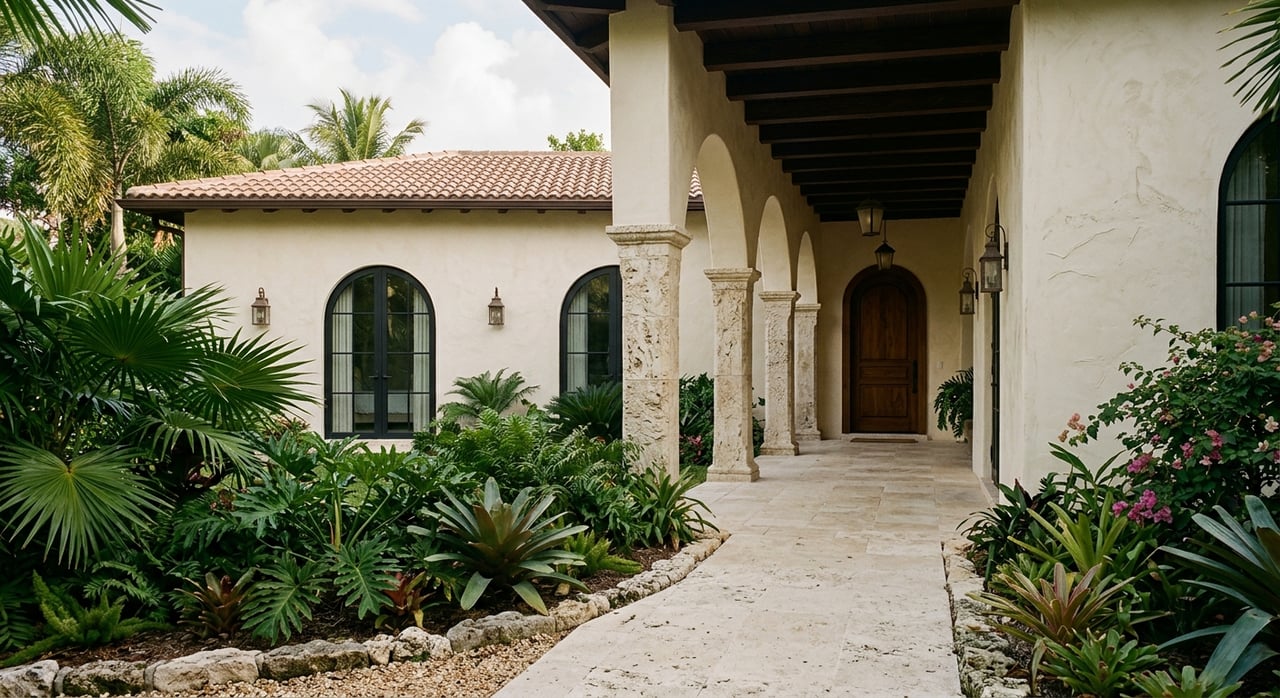
If you are planning a move to Surfside from out of town, it is easy to fall for the beach, the location, and the compact charm before you fully understand how daily life and property ownership work here. That is completely understandable. When you are relocating, you need more than listing photos and broad market advice. You need a clear picture of the town, the housing stock, the due diligence process, and the practical details that can affect your decision. This guide will help you approach a Surfside move with confidence, clarity, and a smarter plan. Let’s dive in.
Why Surfside draws relocating buyers
Surfside is a small oceanfront town set between Miami Beach and Bal Harbour. According to the town, it offers about a mile of public beach, parks, a two-block business district, and a housing mix that includes condominiums, apartments, and both older and newer houses.
That setting appeals to buyers who want a coastal lifestyle without feeling disconnected from the rest of Miami-Dade. Surfside covers only 0.56 square miles of land and had an estimated 5,719 residents in 2024, so the experience tends to feel close-knit, dense, and convenient rather than sprawling.
For a relocating buyer, that compact footprint can be a real advantage. You can often get a better sense of the area in a short visit, and your daily routine may feel more manageable once you understand the main buildings, streets, and access points.
What to know before you choose a property
Surfside offers both condo and single-family options, and that distinction matters. Your research process, document review, and ongoing ownership questions may look very different depending on the property type.
Condos require deeper document review
Because Surfside has a condo-heavy housing mix, many buyers need to pay close attention to building records. Florida condo rules now require residential condo associations for buildings three habitable stories or higher to complete a Structural Integrity Reserve Study every 10 years.
That study must address major building components such as the roof, structure, fire protection systems, plumbing, electrical systems, waterproofing and exterior painting, and windows and exterior doors, along with other qualifying deferred maintenance items. The Florida Department of Business and Professional Regulation also states that structural inspection reports and reserve studies are part of the association’s official records and must be made available to potential purchasers.
This means a condo purchase in Surfside is not just about the unit itself. You also need to understand the building’s condition, reserve funding, and whether repairs or financial obligations may affect your costs after closing.
Building age matters in Miami-Dade
In Miami-Dade County, recertification rules add another important layer. The county says most buildings enter recertification at 30 years and every 10 years after that, while condominium and cooperative buildings three stories or taller within three miles of the coastline built on or after 1998 are inspected at 25 years.
Those reports must be prepared by a Florida-registered professional engineer or architect and submitted within 90 days of notice. For a remote buyer, that makes the building’s age, inspection history, and repair timeline essential parts of your review.
Single-family homes follow different rules
If you are considering a house, the framework may be different. DBPR says the milestone inspection and Structural Integrity Reserve Study requirements do not apply to single-family, two-family, three-family, or four-family dwellings with three or fewer habitable stories above ground.
That does not mean you should skip due diligence. It simply means the review process is not the same as it is for many condo buildings, which can make the property search feel more straightforward for some relocating buyers.
How to research a Surfside property remotely
When you are buying from a distance, public records become even more important. Before you rely too heavily on listing remarks or marketing photos, it helps to verify the basics through county sources.
Start with official property records
Miami-Dade Property Appraiser’s Property Search allows you to look up properties by address, owner name, or folio. The office’s Comparable Sales tool also gives you an official place to review nearby sale data and property characteristics.
These tools can help you confirm core facts early in the process. For remote buyers, that can reduce wasted time and help you focus your attention on homes or units that truly fit your goals.
Ask for the right condo documents
If you are looking at a condo, document review should happen before you get emotionally attached to a unit. At a minimum, you may want to review:
- The building’s age
- The last recertification date
- Structural Integrity Reserve Study completion status
- Current reserve funding
- Any special assessments
- Insurance costs
- Rental policy
- Parking and guest access rules
These are not minor details in a coastal condo market. They can directly affect your monthly costs, flexibility, and long-term comfort with the purchase.
Coastal risk should be part of the decision
In Surfside, flood readiness and storm planning are part of responsible home shopping. The town states that Surfside is vulnerable to flooding from rainfall and storm surge.
The town also says Surfside is in Storm Surge Planning Zone B, with evacuation required for a Category 2 hurricane or higher. For buyers relocating from outside South Florida, that is a key piece of context. Coastal living here can be very appealing, but it comes with planning responsibilities that should be understood early.
Questions to ask about storm readiness
Whether you are considering a condo or a house, ask practical questions about how the property performs in storm season. Useful questions include:
- How is the property protected during a storm?
- Are shutters part of the setup?
- Is there generator support?
- How are residents informed about storm updates?
- What is the evacuation process?
- What flood or insurance considerations should you expect?
Surfside’s own guidance encourages residents to prepare a hurricane kit, sign up for alerts, and document valuables before a storm. That makes storm planning a normal part of ownership, not a fringe concern.
Test daily life, not just the address
One of the biggest mistakes remote buyers make is assuming a small beach town automatically means an easy commute. Surfside may feel compact, but your day-to-day experience still depends on routes, traffic patterns, and timing.
Census QuickFacts lists Surfside’s mean travel time to work at 32.4 minutes. That number is a helpful reminder that your actual routine may be less about distance on a map and more about congestion, bridges, and corridor traffic.
Transportation options in Surfside
Surfside does offer flexibility. The town’s Freebee service provides door-to-door rides within its designated service area seven days a week, including Bal Harbour, Bay Harbor Islands, and the Miami Beach Post Office area.
Miami-Dade Transit also serves Surfside through Route 125 and Route 120 Beach MAX. Route 125 runs from Surfside to Miami-Dade College North Campus, while Route 120 Beach MAX serves the Collins and Harding corridor and connects to places such as South Beach, the Omni and Adrienne Arsht area, Government Center, Downtown Miami, and Aventura Mall.
Why a scouting trip still matters
Even with good maps and transit information, you should test the routes you expect to use. Miami-Dade Transit notes that scheduled times are approximate and can vary based on traffic and road conditions.
If possible, use your visit to experience the building, the block, and the commute at the same times of day you would actually travel. In a coastal area with limited main corridors, that firsthand view can shape your decision in a meaningful way.
How to structure a smart remote buying process
A relocation purchase works best when the process is organized from the start. In Surfside, that usually means focusing on document review, inspection coordination, and local follow-through before you focus on aesthetics alone.
Build contingencies around information
A careful remote offer strategy should leave room for review. Based on the condo document rules and inspection realities in Florida and Miami-Dade, buyers should think carefully about making offers contingent on document review and inspection review when appropriate.
That approach gives you time to evaluate the building or property with better context. It also helps you avoid treating an attractive price as the full story before understanding the condition and obligations tied to the purchase.
Use local coordination to reduce stress
Remote closings and long-distance purchases often become easier when someone local is helping coordinate the moving parts. That can include scheduling third-party inspectors, collecting association materials, following up on repair questions, and keeping the closing process on track.
For relocating buyers, that kind of support is often what turns a complicated move into a manageable one. It is especially valuable in a market where building-specific details can influence the transaction as much as the unit itself.
Schools and nearby reference points
If school access is part of your relocation planning, Miami-Dade County’s District 4 public-school page lists Ruth K. Broad Bay Harbor Islands K-8, Nautilus Middle School, and Miami Beach Senior High among nearby public-school reference points.
Because attendance boundaries can change, buyers should verify zoning directly with Miami-Dade County Public Schools before making any purchase decision based on school assignment.
A clear plan creates confidence
Relocating to Surfside can be exciting, but the best decisions usually come from preparation, not speed. When you understand the town’s scale, transportation options, condo rules, coastal risks, and property records, you can evaluate homes with a much clearer lens.
That is how you protect both your lifestyle and your investment. If you want a calm, hands-on process with local guidance at every step, LA GORCE REALTY can help you move through your Surfside search with discretion, clarity, and experienced support.
FAQs
What is Surfside like for someone relocating from out of state?
- Surfside is a compact oceanfront town between Miami Beach and Bal Harbour with about a mile of public beach, parks, a small business district, and a mix of condos, apartments, and houses.
What should a remote buyer review before buying a Surfside condo?
- You should review the building’s age, recertification history, Structural Integrity Reserve Study status, reserve funding, special assessments, insurance costs, rental policy, parking, and guest access rules.
Do Surfside single-family homes follow the same condo inspection rules?
- No. DBPR says milestone inspection and Structural Integrity Reserve Study requirements do not apply to single-family, two-family, three-family, or four-family dwellings with three or fewer habitable stories above ground.
How do you research a Surfside property from a distance?
- A strong starting point is the Miami-Dade Property Appraiser’s official property search and comparable sales tools, along with direct review of association records when a condo is involved.
What flood and hurricane questions matter in Surfside?
- You should ask about flood exposure, insurance, shutters, generators, evacuation procedures, and how the property or building communicates during storm events, since Surfside is vulnerable to flooding and is in Storm Surge Planning Zone B.
How can you get around Surfside without driving every day?
- Surfside offers the Freebee door-to-door service within its designated area, and Miami-Dade Transit serves the town through Route 125 and Route 120 Beach MAX.